
Why olive wood
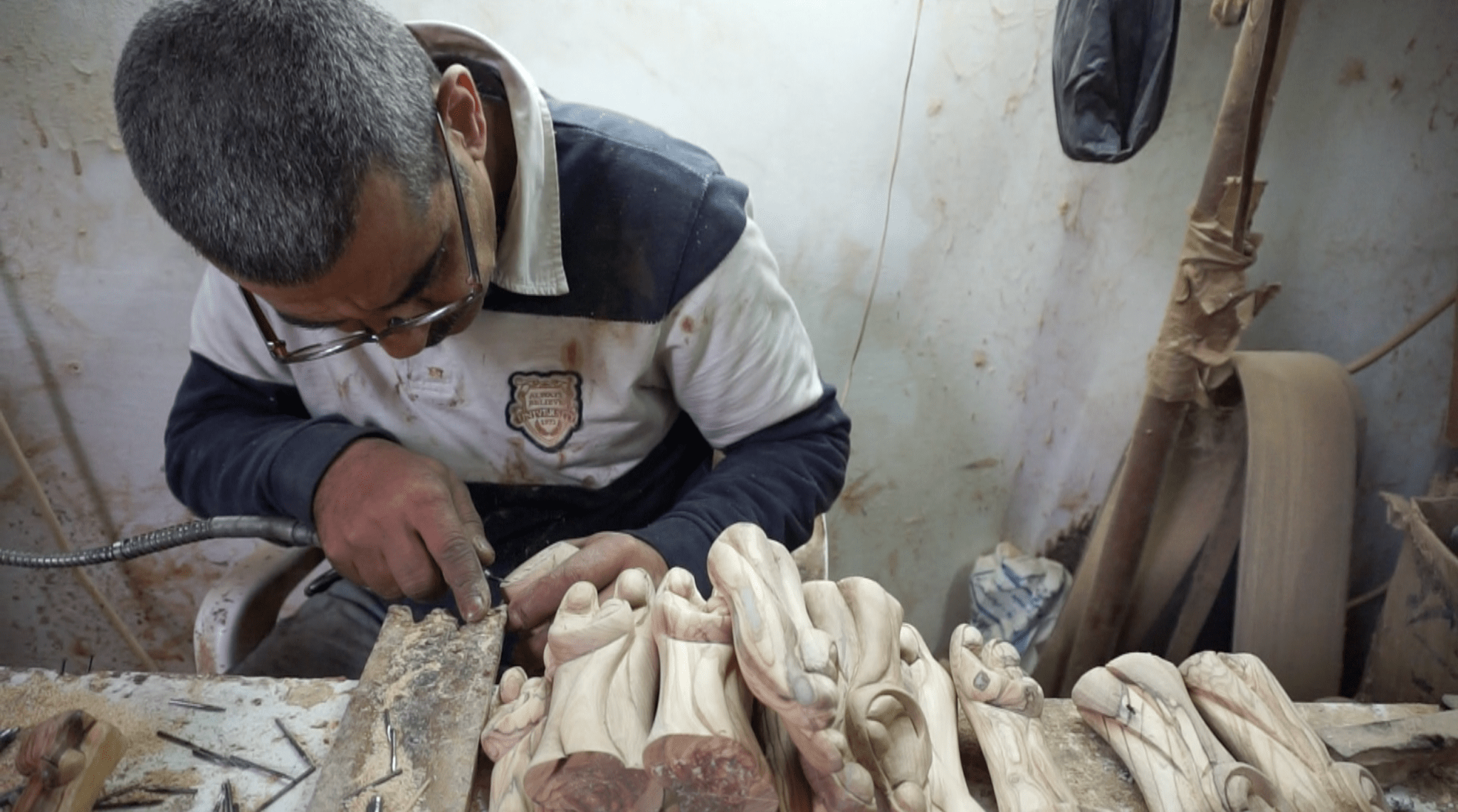
Olive-wood carving is the work of Christian families in Bethlehem and Shepherds’ Field. The craft is handed down in the workshop, from one generation to the next. A nativity, a cross, or a rosary from that wood is made in the land where Jesus was born.
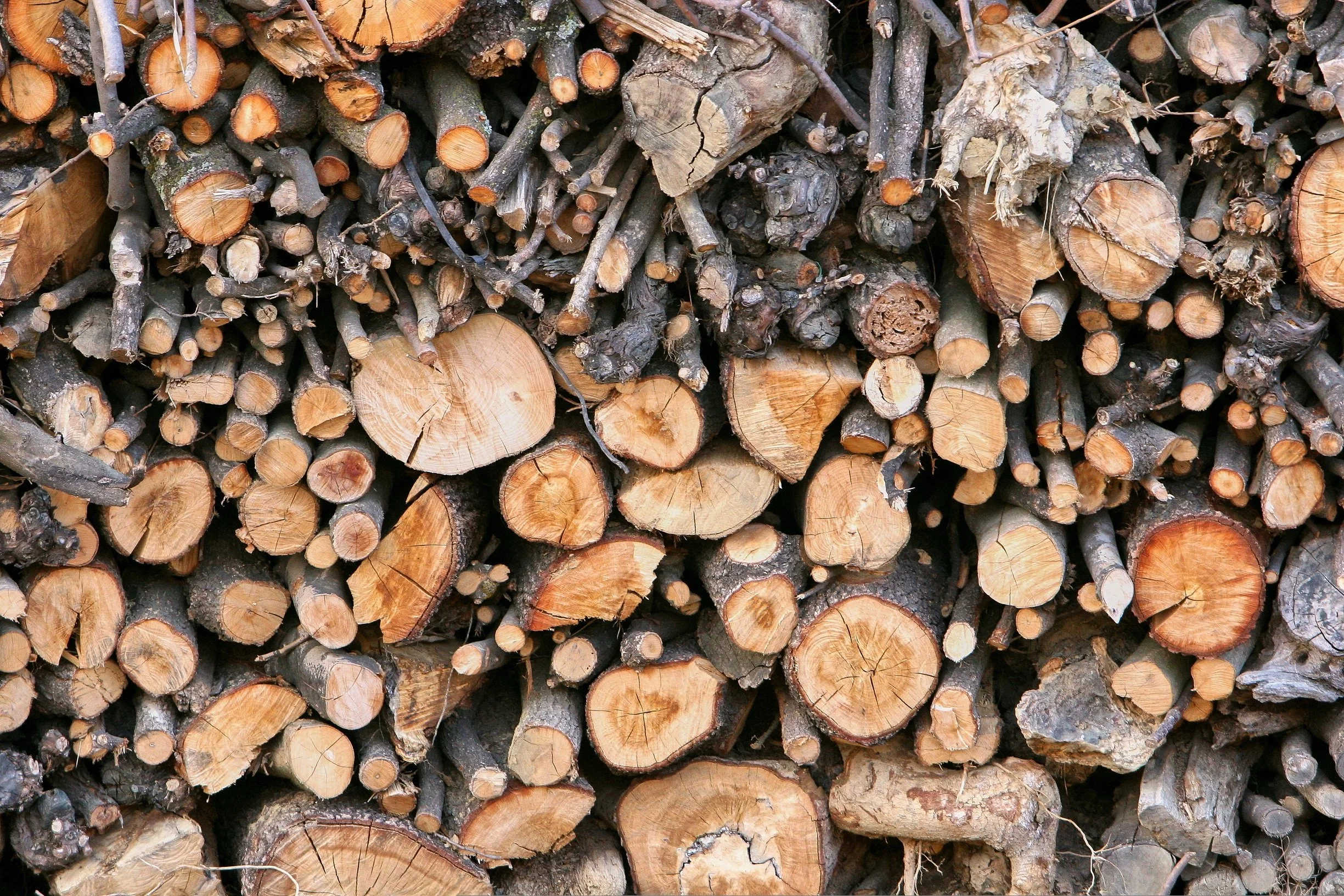
The wood comes from pruning. Olive trees are trimmed so they stay healthy and keep bearing fruit. Carvers use those trimmings. No living tree is cut down for the work.
The olive tree has stood in the Holy Land since ancient times. Families around Bethlehem still call the oldest ones Roman trees, because they have been living and bearing fruit since the days of the Romans and of Jesus. The Bethlehem tradition of olive-wood carving is commonly traced to the early Christian centuries. Saint Francis is remembered for the first live nativity. That same devotion is in the pieces on the table after Mass.
When pilgrims cannot come, the workshops go quiet, and young families leave. A piece from the parish table is not a souvenir stop. It is how a household in Bethlehem keeps the workshop open and stays in the land of Christ.
Holylands Arts works with more than 500 Christian families in Bethlehem and Shepherds’ Field — Catholic and Orthodox households whose workshops supply the parish table. Ward Qumsieh was born in Shepherds’ Field. The table he brings is their work.
One of those workshops is Sacred Tradition Workshop in Beit Sahour, where Jeries — Ward’s cousin, tenth generation — carves from pruned branches only.
There is no online shop. At the parish table we accept cash, card, and check. For pieces that include relics, such as crucifixes, we provide a relic explanation card.